Reduce audit preparation time
Operational outcome
Move assessment status, supporting history, and remediation follow-up into one system so compliance reviews rely less on manual document collection.

Replace paper-based assessment tracking with one digital workspace for scheduling, assessments, role-based workflows, dashboards, remediation tracking, audit history, and protocol-guided support.
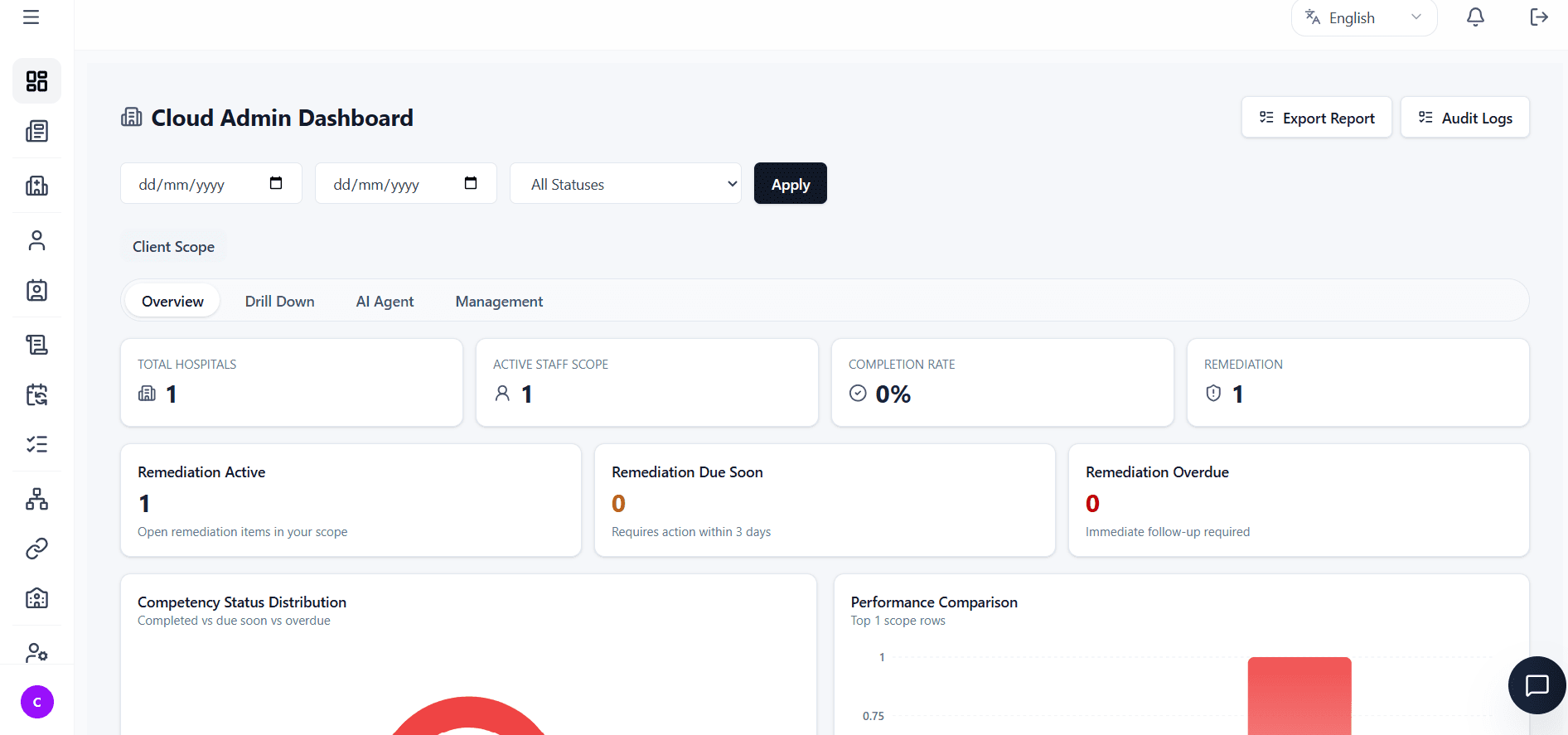
Give hospital leaders one place to monitor assessment progress, remediation activity, and readiness signals across hospitals, departments, and units.
Keep the existing DCAS visual language, but add the trust signals that administrators, educators, compliance teams, and procurement reviewers expect to see before they shortlist a platform.
DCAS mirrors hospital structures such as hospitals, departments, units, educators, CRNs, head nurses, and staff workflows rather than generic learning software patterns.
Use the demo process to review sample competency templates, rollout scope, reporting examples, and implementation discussion points with the right stakeholders present.
The page now supports a more mature buyer discussion around access control, audit history, implementation support, and operational governance.
Named customer references and deeper implementation materials should be shared during live evaluation and procurement conversations rather than through vague public claims.
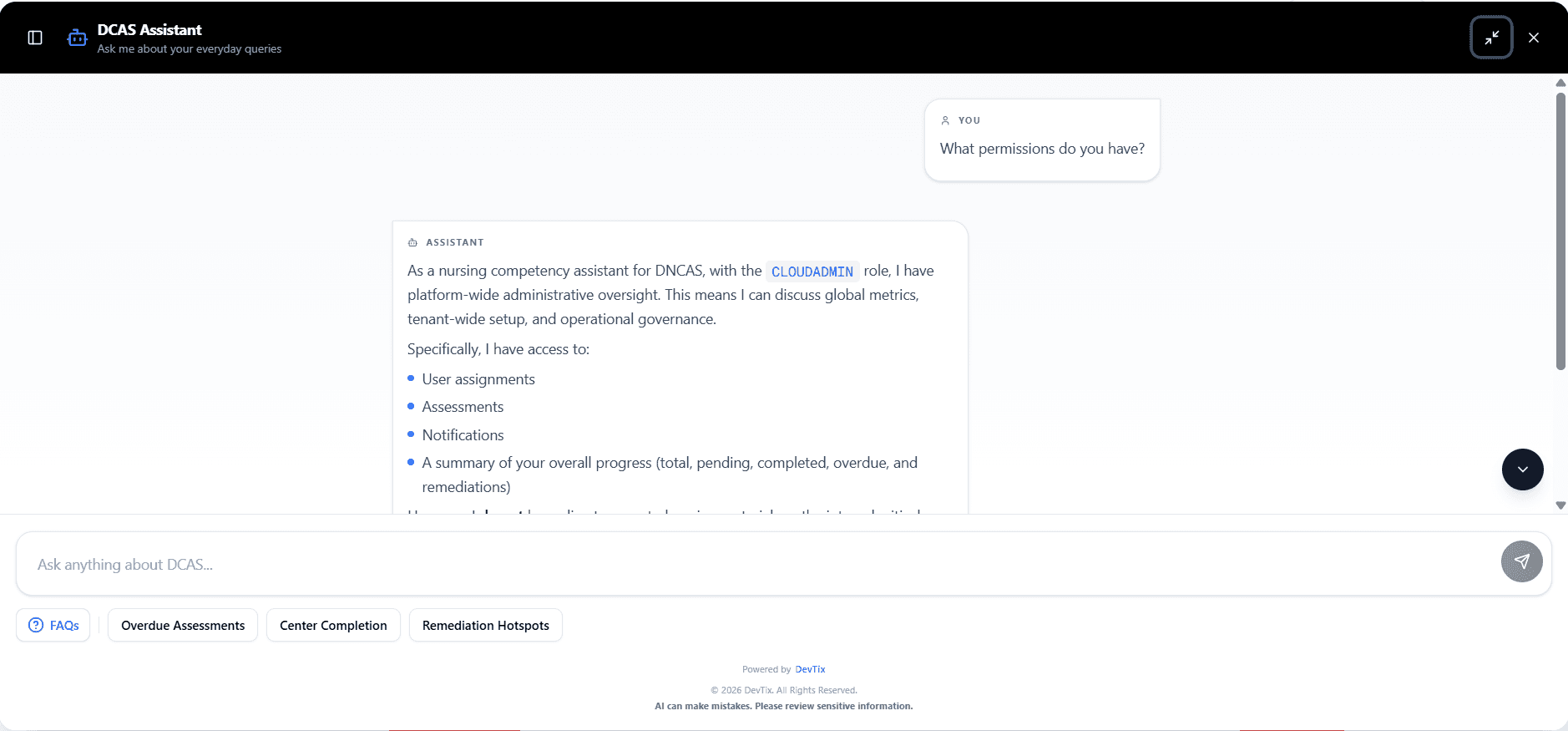
Faster access to workflow guidance and competency context for staff, educators, and administrators. It is designed to support teams, not replace clinical judgment.

Paper forms, spreadsheets, and inbox-based follow-up create avoidable operational drag for hospitals and clinical institutions.
A unified operating layer for scheduling, assessments, dashboards, remediation, and reporting across clinical teams.
Replace fragmented manual processes with a coordinated platform designed for hospital competency workflows.
Notify the right users about due soon, overdue, and remediation-related activity without relying on manual reminder chains.
Give hospital, department, and unit leaders a centralized view of assessment progress across their current scope.
Move from template setup to assignment and review in a more structured process with less manual coordination.
Align access with how hospitals operate by role, scope, and organizational hierarchy.
Track assessment and workflow activity with a clearer operational record for review and reporting.
Support rollout from one department to one hospital and then to broader networks with the same core operating model.
The same DCAS product structure, presented with clearer business value for hospital buyers.
Manage staff access, organizational scope, and permissions in a way that reflects hospital operating structures.
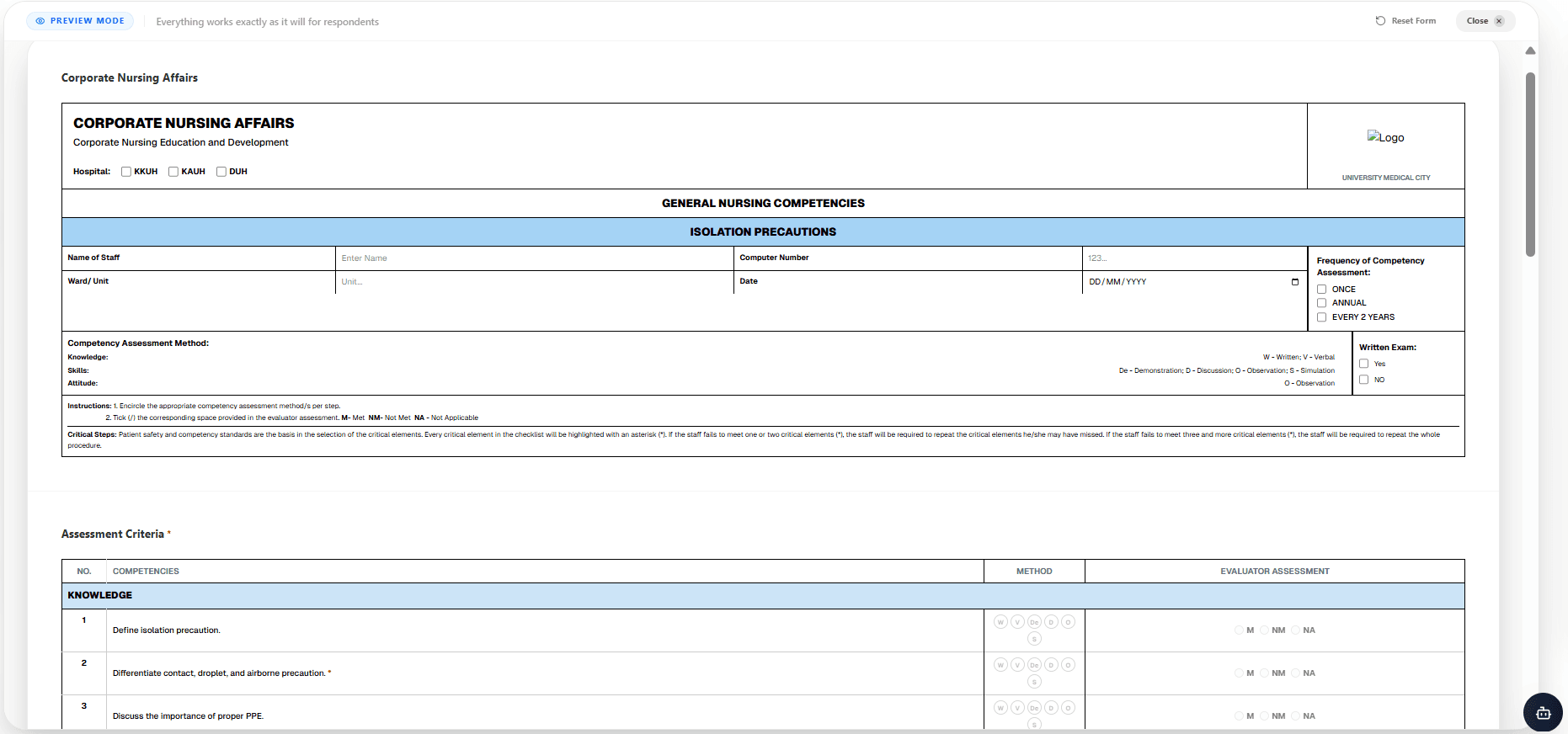
Build, organize, and maintain competency templates for departments, units, and recurring clinical requirements.
Run digital assessments with clearer status tracking, review flow, and institutional consistency.
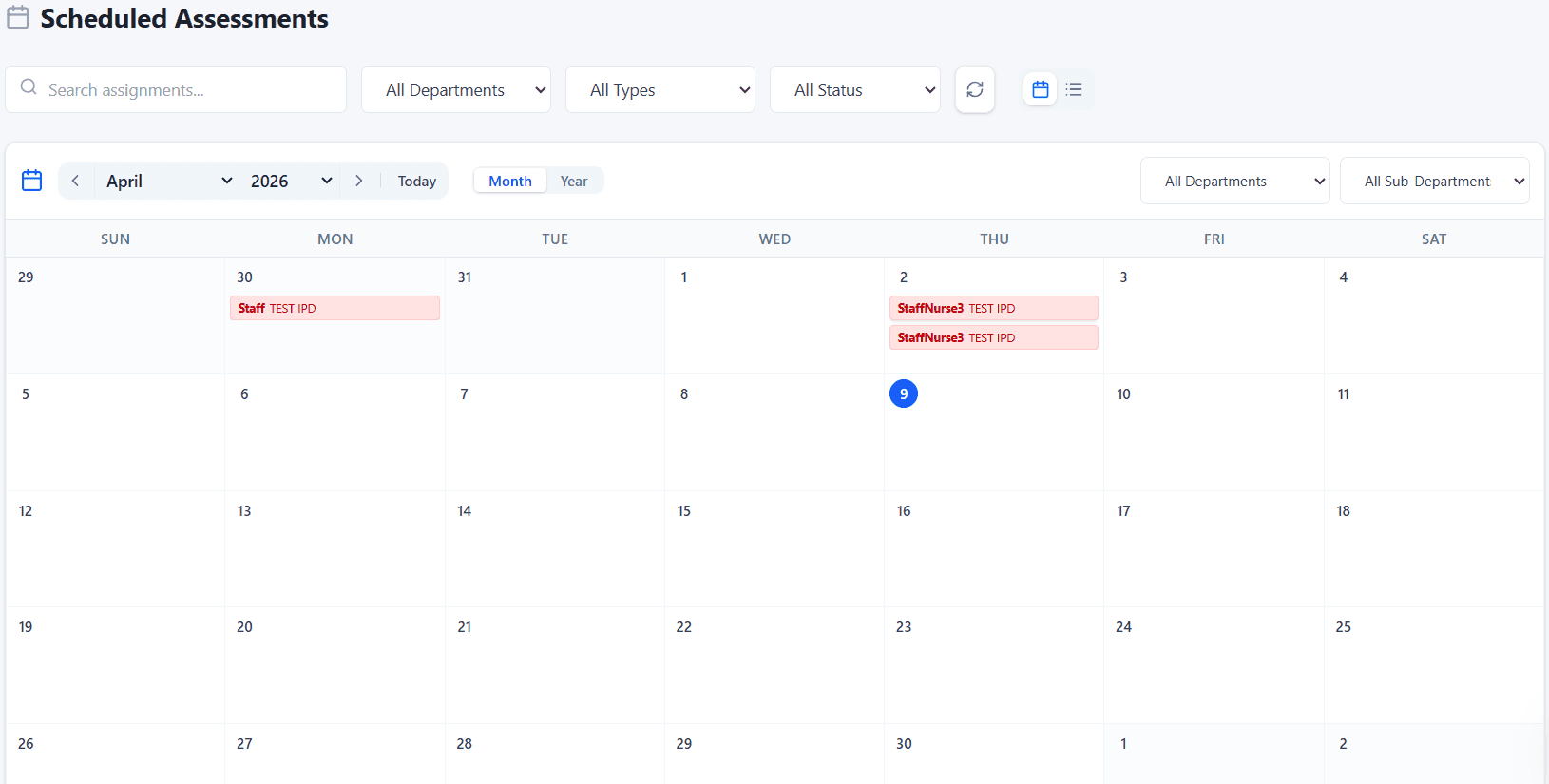
Plan assignment cycles, due dates, and follow-up activity with less spreadsheet coordination.
Monitor completion, due soon, overdue, and remediation status across hospitals, departments, units, and staff.
Support staff and educators with faster access to workflow guidance and protocol-related context inside the platform.
A stronger DCAS landing page should speak in measurable operational language: less manual coordination, clearer readiness visibility, faster assessment cycles, and stronger audit preparation support.
Move assessment status, supporting history, and remediation follow-up into one system so compliance reviews rely less on manual document collection.
Give department and hospital leaders a clearer view of due soon items, overdue items, active remediation, and completion progress by scope.
Replace fragmented reminders and spreadsheet follow-up with assignment schedules, status tracking, and role-based workflow progression.
Help educators, CRNs, and administrators spend less time chasing status updates and more time acting on clear operational signals.
Confirm hospital, department, and workflow requirements.
Set up competency structures and scheduling rules.
Launch controlled rollout by department or hospital scope.
Manage follow-up and escalations in the same workflow.
Use dashboards and reports to guide adoption.
Enterprise healthcare buyers respond better to specific controls and review paths than to unsupported security superlatives.
Core infrastructure built for hospital procurement: access control, authentication, audit history, and reporting.
Granular access control for staff, educators, administrators, and stakeholders.
Enforce multi-factor authentication to secure platform access by default.
Comprehensive activity trails for operational and compliance review.
Automated export workflows for governance and evidence preparation.
This gives procurement and IT stakeholders a more grounded view of what exists today and what should be scoped during rollout.
Position DCAS as a structured platform that can support broader enterprise planning rather than as an isolated form tool.
Support internal review with report outputs that can be packaged for leadership, audit preparation, or operational follow-up.
Email and in-app notifications help operational teams coordinate assessment and remediation activity more consistently.
Scope future HR, identity, LMS, or reporting connections during implementation and procurement discussions.
Show hospital buyers how DCAS improves day-to-day execution while giving leadership better visibility and governance.
Keep the current card design, but make each tier clearer on scope, onboarding, and the path to expansion.
Keep the visual identity, but make the proof language more concrete and more useful for hospital evaluations.
NEW
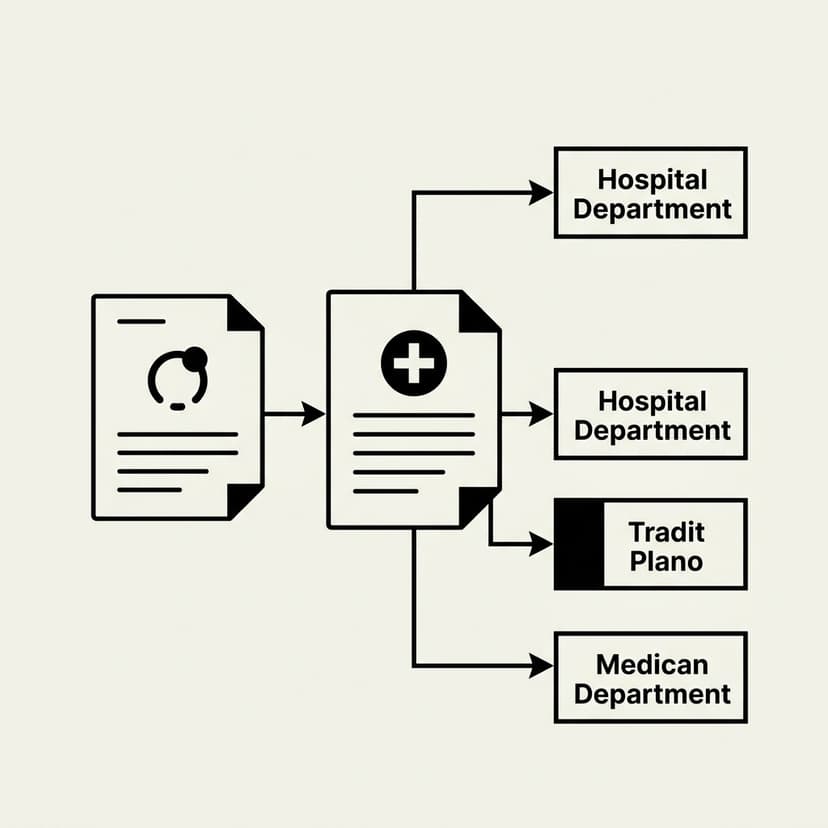
Built around hospitals, departments, units, educators, CRNs, and staff competency workflows.
NEW
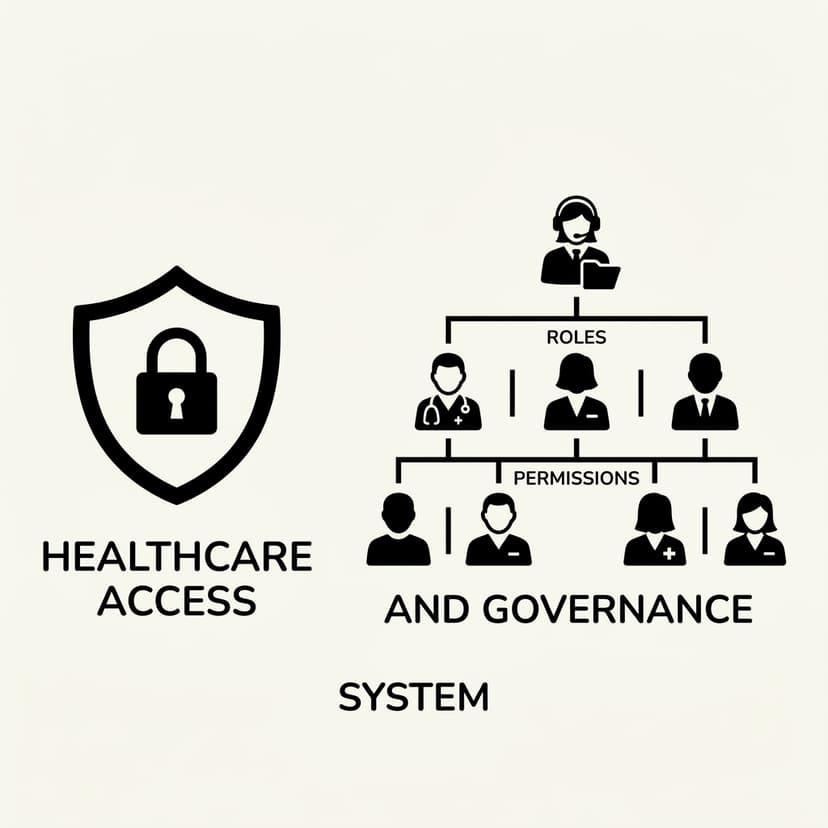
Role-based access, scoped visibility, and MFA support can be reviewed as part of enterprise evaluation.
NEW
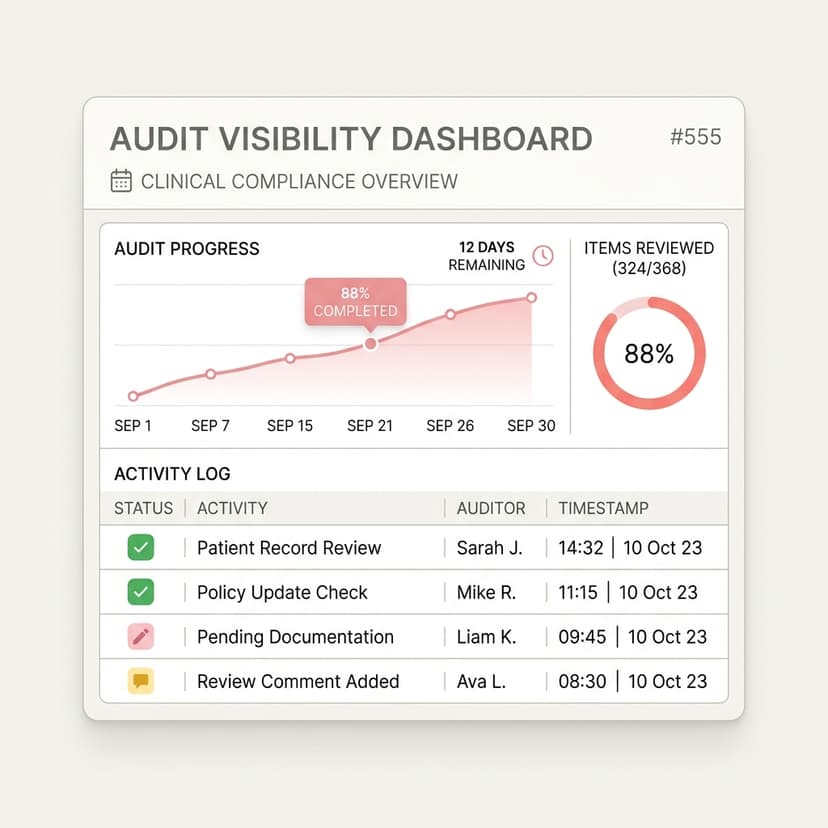
Track workflow activity, assessment progress, and reporting outputs in one operating record.
NEW
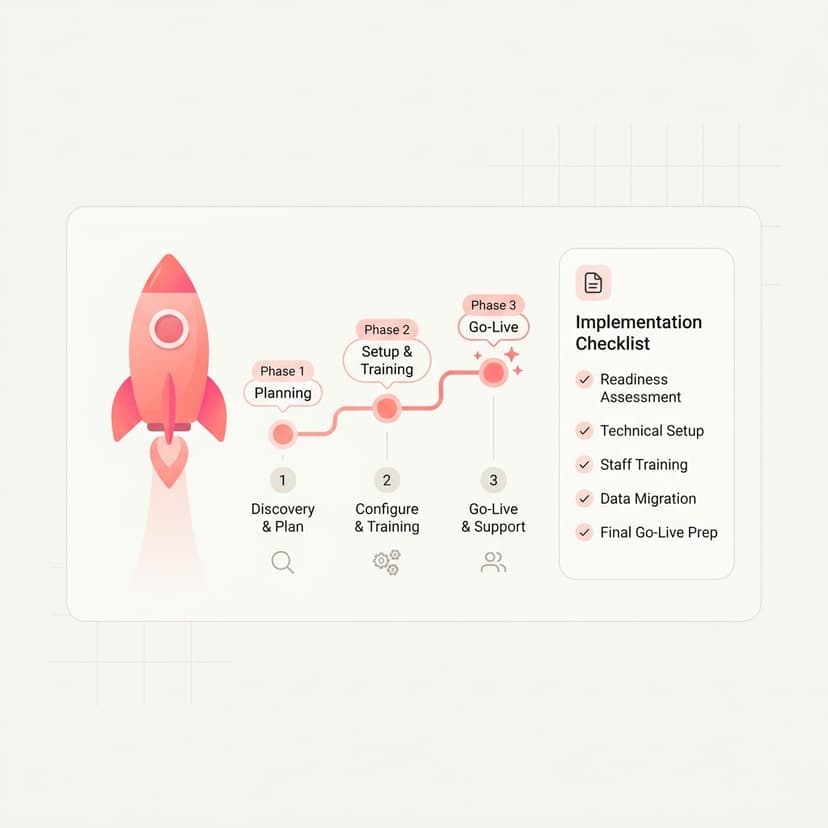
Use phased onboarding, rollout guidance, and buyer review materials to support hospital adoption.
Have questions about DCAS? Our team is here to help you understand how we can support your hospital's operational goals.
"Ernest is an incredibly talented designer. He's passionate and never settles for good enough. I worked with him for a brief time, and am extremely impressed with his design and art direction across all mediums."

"DCAS felt closer to hospital competency operations than generic training platforms. During evaluation, the structure around roles and remediation made the conversation more concrete."

"Transitioning to DCAS streamlined our compliance tracking immensely. The automated alerts for expiring competencies alone have saved our managers countless hours."